
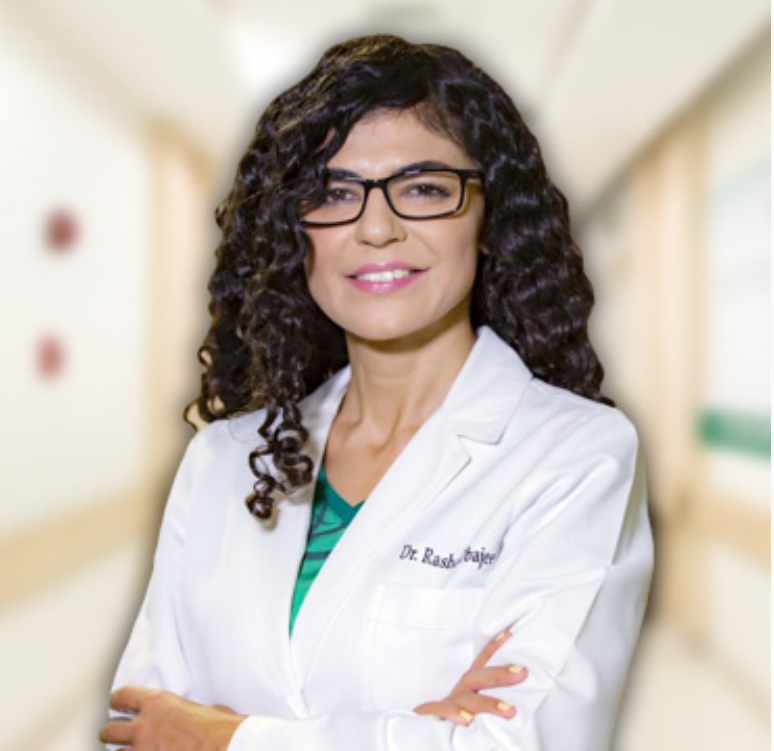
About the doctor
A Syrian physician and specialist in Laboratory Medicine and Hematology working at Millennium Medical Center in Doha, Qatar.
Qualifications & experience
Education
- Specialist Certificate in Hematology — University of Damascus — Syria
- Bachelor of Medicine, Bachelor of Surgery (MBBCH) — University of Aleppo — Syria
Medical specialties
HematologyPrimary specialty
Centers & branches
Find centers, branches and weekly hours here.
Milennium Medical Center ↗
Laboratory Medicine/Microbiology · Full-time
Milennium Medical Center - Main Branch
Building 56, Makkah Al Mukarramah Street, Al Luqta, Doha, Qatar.
Primary branchAppointments availableAccepting new patients